






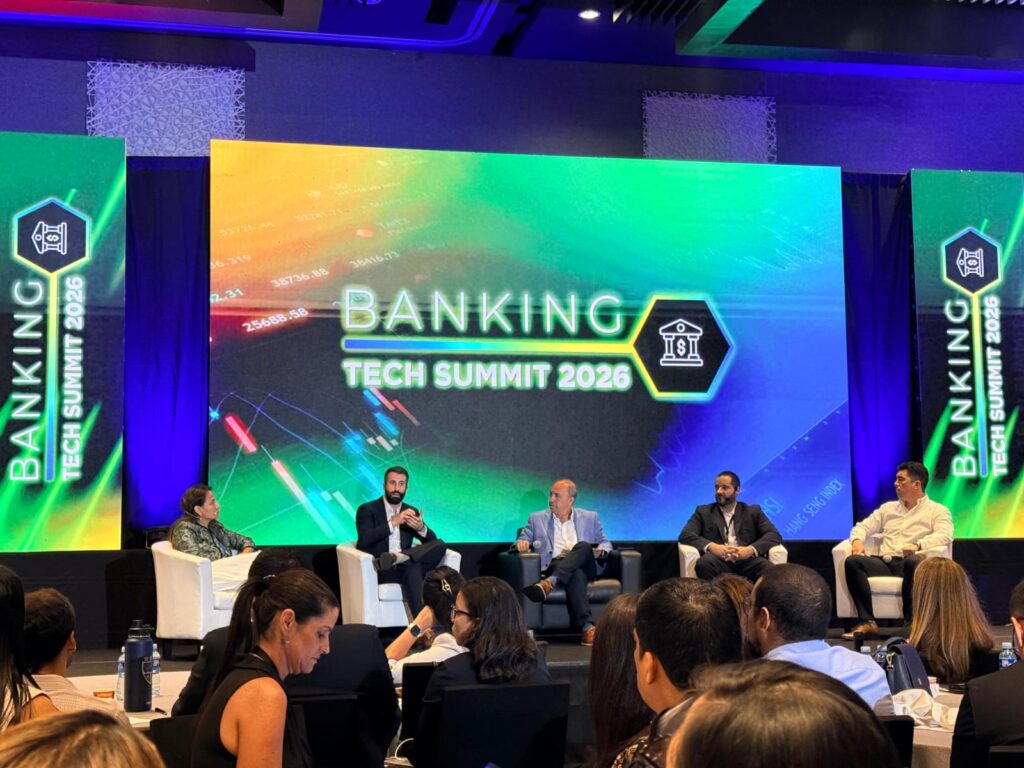
When we arrived at the Banking Tech Summit Panama 2026 as sponsors, we didn’t show up to learn the basics of AI or to discover that outdated legacy systems are a headache.
Applying agentic AI to payments requires the exact same level of rigor as any system handling third-party funds—extended to a type of actor that did not exist two years ago: one that decides and executes, rather than merely recommends.
The institution that takes this scenario seriously and builds the discipline of measurement, governance, and continuous testing necessary to respond to it with evidence will not only avoid the error that science has already documented.
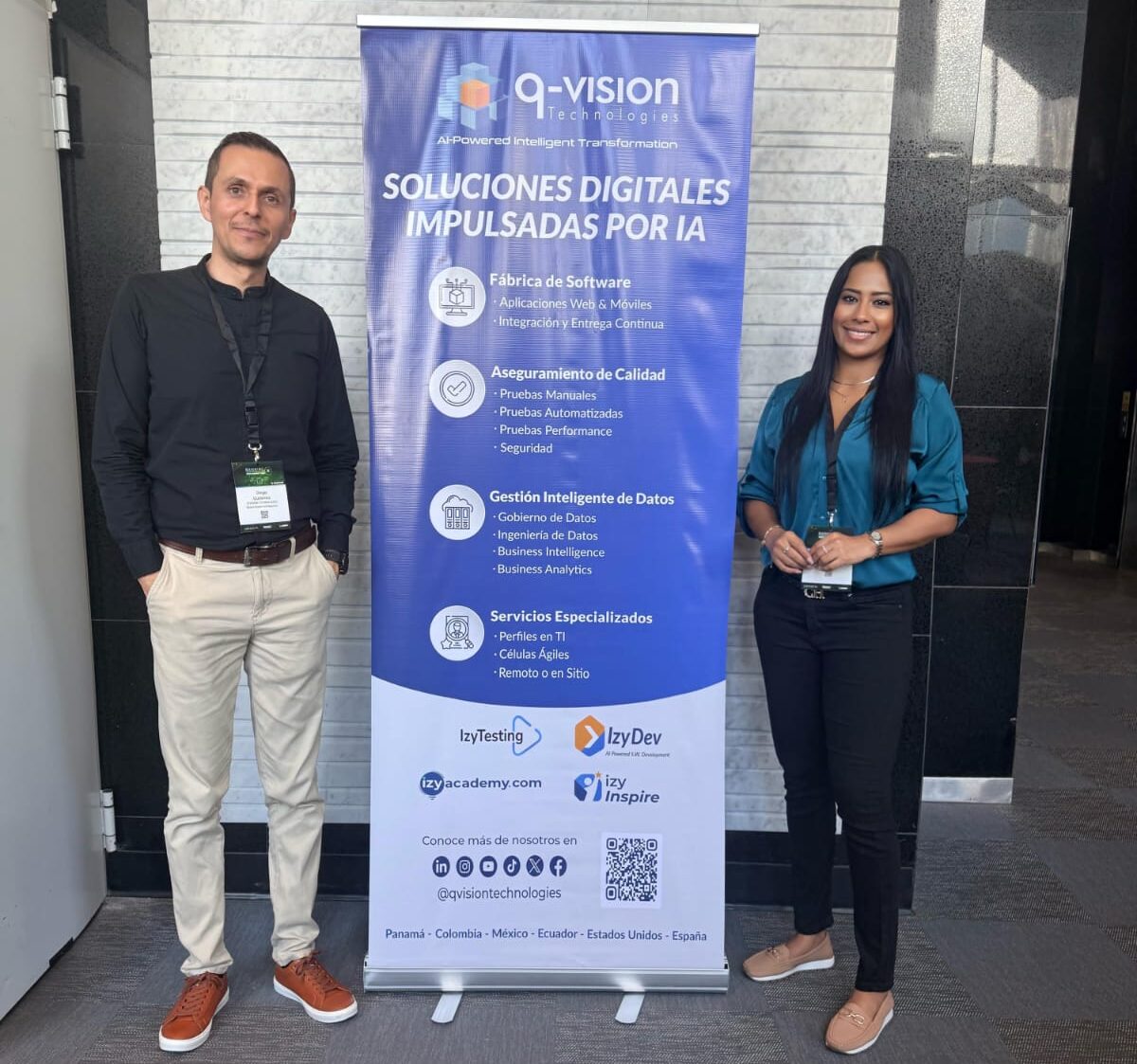
We have been working with financial institutions across Latin America for over 22 years. That is why, when we showed up as sponsors at the Banking Tech Summit Panama 2026, we weren't there to learn what AI is or to find out that old systems are a problem.
We went there to hear how the industry, at this specific moment, is handling something we’ve seen up close for years: the gap between what gets announced at conferences and what actually happens inside the companies.
And in 2026, that gap is becoming dangerously expensive.
We’ve seen this pattern way too many times. A bank decides it needs to change. They hire a big-name provider, buy a pricey platform, put a project team together, and launch. Eighteen months later, the system is only halfway there, the team is burnt out, and the business numbers haven't budged.
Why? Because nobody asked, with enough discipline, where the real bottleneck was. Not the symptom—"our processes are slow"—but the root cause. In banking, that cause almost always lives somewhere between the first time a customer reaches out and the moment they actually get their financial product. It’s the time it takes for a bank to say "yes," to finalize that "yes," and to turn it into cash in the customer's pocket.
Those three moments, and the friction that piles up between them, determine whether a bank keeps a customer or loses them to a faster competitor. It’s not about the logo of the tech provider. It’s not about which AI model was used. It’s about how clearly the organization understands its own process.
What we valued most about the Banking Tech Summit was that this kind of conversation actually had a seat at the table. It wasn't just about preaching the gospel of new tools. There was a real, honest diagnosis of the situation. And that is exactly what this industry needs.
It would be easy to write here that "AI changes everything." But after two decades of working with tech and business teams in financial institutions, we’ve learned to distrust phrases that sound great in a presentation but turn into a headache in production.
AI has a massive role in banking. It belongs in personalization, fraud detection, credit analysis automation, and customer service. We don't doubt it—we’ve made it a reality ourselves. But we’ve also seen what happens when it’s deployed without a structure.
At the Summit, a topic surfaced that, in our experience, has been quietly brewing within organizations for years: employees using external AI tools because they couldn't find an agile response within the official company perimeter.
This isn't a new phenomenon. It is the same pattern we saw with Shadow IT fifteen years ago, only now it has a generative language layer on top and sensitive customer data in the middle.
The question isn't whether your organization already has people using ungoverned AI. The question is whether you know it, and whether you have a mechanism to understand what is happening to that information.
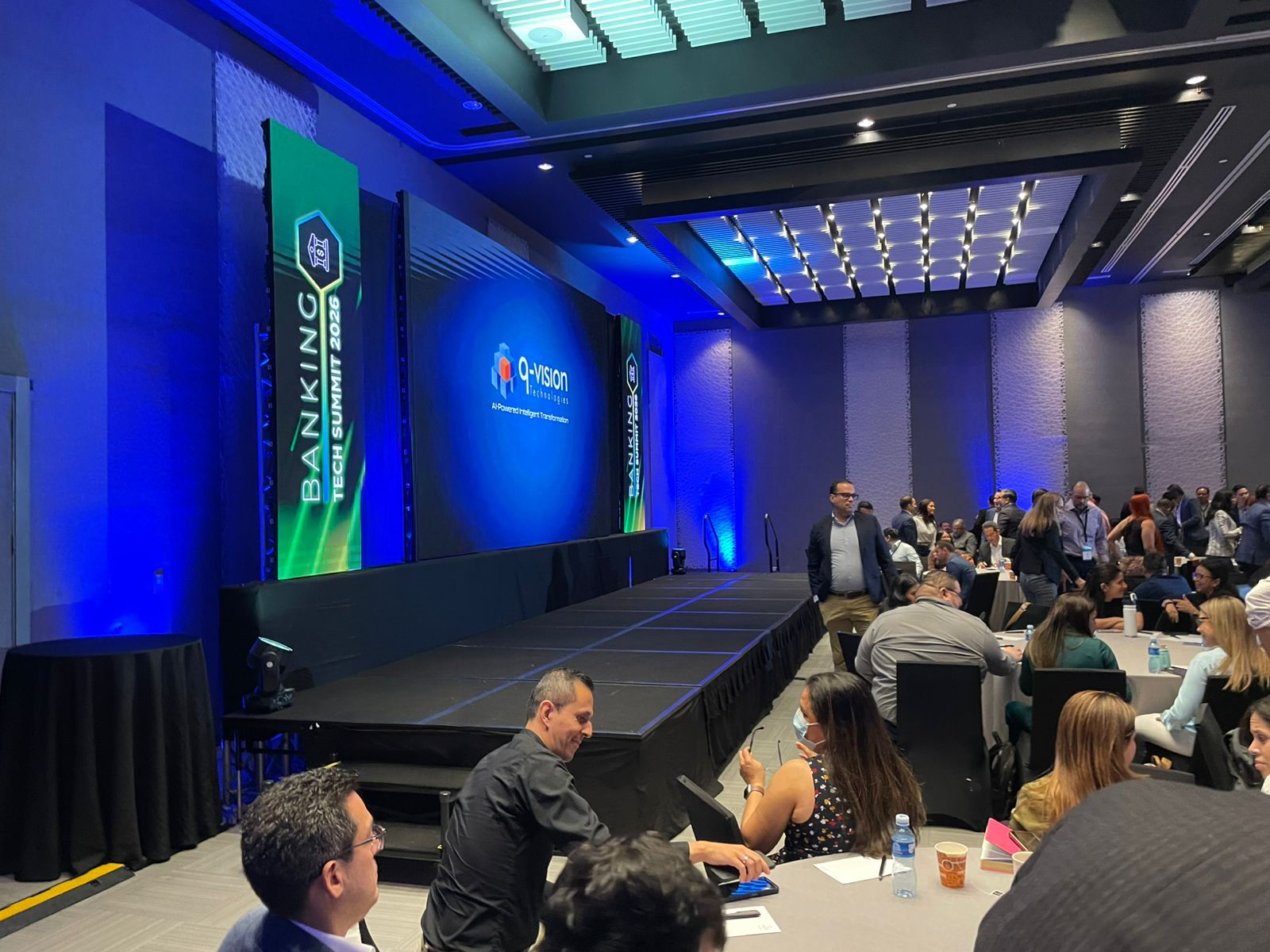
There was one phrase at the event that struck us as the most honest of all: the banking core has stopped being the engine of innovation. It must now function as a robust system of record, while innovation happens at the "edges."
We have been telling our clients this for years, using different words. Not because we have a crystal ball, but because we’ve been inside enough modernization projects to know what fails and what works.
The "tear it all down and start from scratch" bet almost always ends the same way: a project that takes twice as long as planned, consumes double the budget, and paralyzes the bank's ability to respond to the market. Meanwhile, a fintech with no legacy baggage accumulates customers that the bank never managed to reach.
The winning strategy is harder to sell but easier to execute:
Decoupling in stages: Breaking the system down piece by piece.
Prioritizing business impact: Focusing on what moves the needle first.
Building APIs: Allowing for innovation at the edges without touching the sensitive core.
Demonstrating incremental value: Proving success before scaling up.
It isn’t glamorous. it doesn’t make for a magazine cover. But it is what actually transforms an institution without putting it at risk.
Latin America has over 200 million economically active people without full access to financial services. That market will not wait for traditional banking to finish its modernization cycle. Competitors are already capturing it.
Response speed isn't a matter of organizational culture—it’s a matter of architecture. And architecture can be changed progressively if you have the right methodology and experience.
No industry in the world possesses the depth of user data that banking does. Transactions, spending habits, credit history, income flows, savings patterns—it’s all there. Yet, in most cases, it remains fragmented across systems that don’t communicate, in formats that can’t be cross-referenced, and guarded by departments that don’t talk to each other.
The result is a paradox: banks know more about their customers than any other company in their lives, yet they cannot use that knowledge to offer them something relevant at the right time. Meanwhile, digital platforms with a fraction of that information build personalization models that customers perceive as superior.
This isn't a failure of technology. It is a problem of data architecture and organizational priorities. The technology to solve this exists and is accessible. What is missing, almost always, is someone who knows how to ask the business the right questions before designing the solution.
At Q-Vision, intelligent data management isn't just a technical service we deliver before walking away. It is a partnership that begins by understanding:
Information Flow: How data moves through your organization and where it breaks.
Real-time Needs: Which business decisions depend on data that currently isn't available in real-time.
Incremental Infrastructure: How to build a foundation that enables what the business needs without tearing down everything that already works.
Panamá no es solo un mercado en nuestro mapa de expansión. Es un ecosistema financiero con una densidad y una sofisticación que pocos países de la región pueden igualar. Lo que pasa aquí en materia de transformación bancaria tiene efecto en toda la región.
Llevamos años construyendo presencia y relaciones en el sector financiero panameño, no porque tengamos un portafolio de productos que encajen en cualquier cliente, sino porque entendemos que en esta industria la confianza se construye con resultados concretos y con la capacidad de decir, cuando es necesario, "eso no va a funcionar como lo están pensando".
Eso es lo que 22 años en la industria nos dan. No hay certezas absolutas, este sector cambia demasiado rápido para eso. Pero sí criterio. La capacidad de distinguir entre lo que es una transformación real y lo que es un cambio de proveedor disfrazado de estrategia.
Eso fue lo que llevamos al Banking Tech Summit. Y es lo que seguimos llevando a cada conversación con instituciones financieras en Panamá y en toda la región.
Puedes configurar tu navegador para aceptar o rechazar cookies en cualquier momento. Si decides bloquear las cookies de Google Analytics, la recopilación de datos de navegación se verá limitada. Más información.