




Artificial intelligence is reshaping the foundations of work, technology, and education. Far from being an abstract threat, intelligent automation is already altering the way businesses operate.
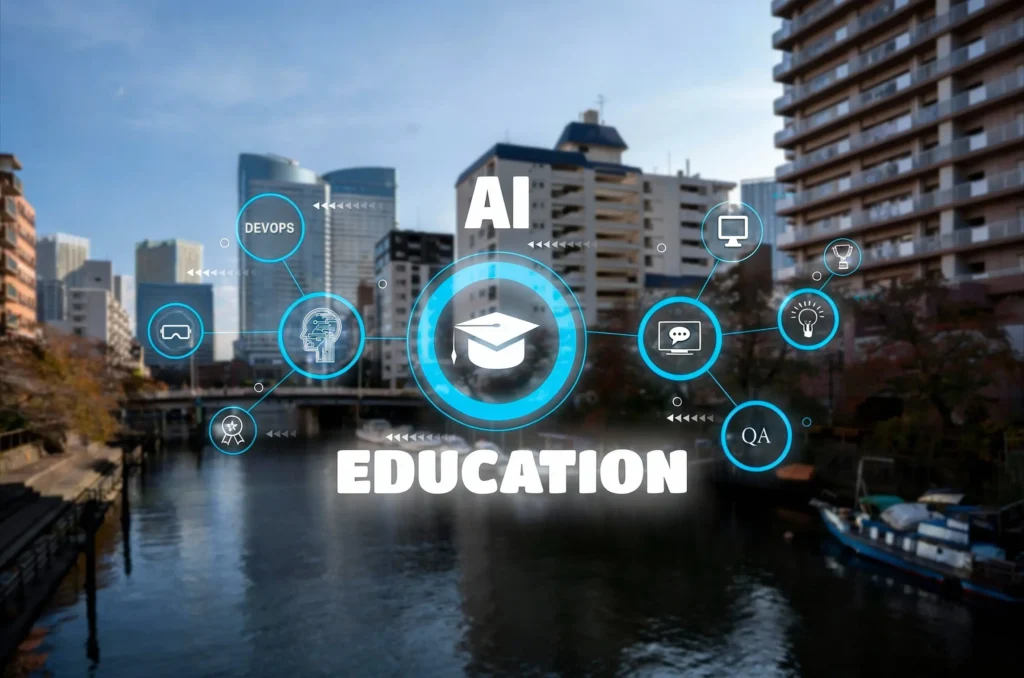
In the new landscape of higher education, the key is not just reaching prospects; it is interacting with them at the precise moment, with the right information, and through the appropriate channel.
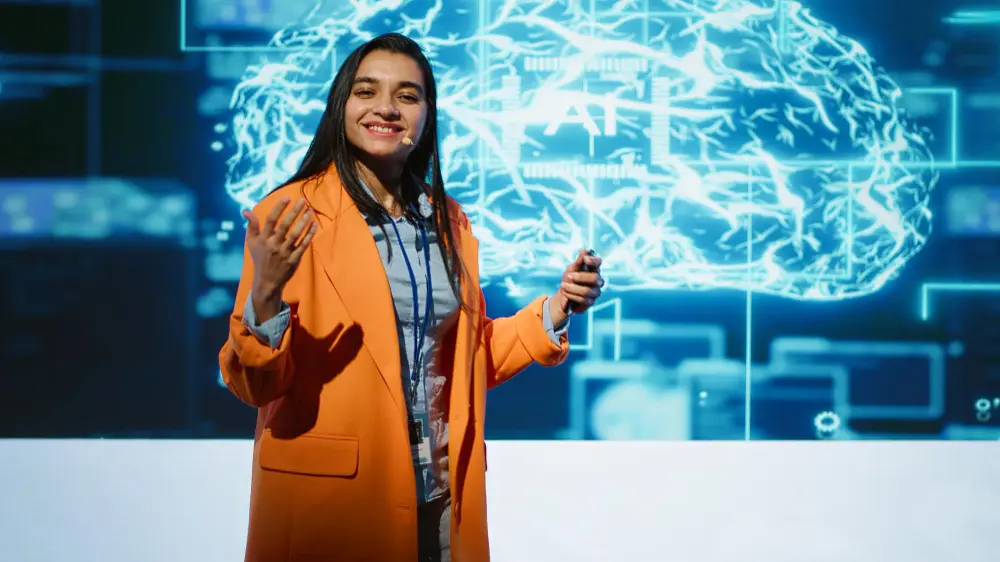
Artificial intelligence is reshaping the foundations of work, technology, and education. Far from being an abstract threat, intelligent automation is already altering the way businesses operate, how jobs are designed, and which talents are truly valuable. In the words of physicist Michio Kaku during the 2026 International Economic Forum on Latin America and the Caribbean, the challenge is not just to survive automation, but to reimagine the relationship between humans and machines. To achieve this, we need more than just teaching people how to code; it is about forming citizens and professionals capable of collaborating, supervising, and co-creating with technology.
This breaking point does not only challenge the traditional educational system. It also demands an urgent transformation in how companies train and update their human capital. In Latin America, where the digital talent gap is already directly impacting competitiveness, the central question is not whether teams need to be retrained for the AI era, but how to do so effectively, strategically, and at the speed the market demands.
The traditional educational model, centered on memorization and standardized testing, is becoming obsolete. Machines already outperform humans in calculation speed, statistical analysis, and task execution. What they cannot easily replicate is our ability to interpret, question, negotiate, lead, and adapt.
Therefore, instead of training programmers who merely follow instructions, a new educational approach must be promoted—one that emphasizes higher-order cognitive and naturally human skills. This involves teaching how to:
Collaborate with intelligent systems, supervising them, interpreting their results, and adjusting according to context.
Integrate automated models into real workflows, maintaining operational logic and decision control.
Identify the ethical and functional limits of AI solutions.
Work in multidisciplinary environments, where business, technology, and user experience must maintain a constant dialogue.
These capabilities cannot be improvised. They require time, practice, and the right environment to flourish. This underscores the importance of continuous training models, such as those offered by IzyAcademy by Q-Vision Technologies, which train everyone from junior profiles to executive corporate teams in agile methodologies, intelligent automation, and high-complexity testing.
The mass adoption of artificial intelligence in financial services, healthcare, and logistics carries a clear risk: that automated decisions directly affect security, data, or user experience. In this context, automated testing, performance testing, and security evaluation are not just technical add-ons, but strategic enablers.
Validating—timely and constantly—that algorithms function as expected under different scenarios, and that they do not generate erratic or discriminatory results, will be fundamental to maintaining user trust and complying with increasingly rigorous regulations. In other words, without intelligent testing, there is no reliable AI.
Banking Platforms: Integrating automated testing to meet international cybersecurity standards while streamlining the delivery of digital services.
Healthcare Systems: Undergoing rigorous evaluation to ensure that clinical prioritization or scheduling algorithms do not negatively impact patient care.
Last-mile and E-commerce Solutions: Utilizing performance testing to ensure scalability during peak demand periods, preventing service outages on key dates.
The robustness of technological quality processes does not just protect internal workflows. It also provides peace of mind to foreign investors and strengthens the national brand—something vital for economies seeking to attract technological investment based on operational stability and qualified talent.
Human-machine collaboration will not be a byproduct of simply adopting artificial intelligence. It requires a complete redesign of how we train talent and ensure the quality of our technological solutions. Companies that grasp this dynamic will be the ones leading the next decade of sustainable innovation.
To move forward, the following concrete actions are recommended:
Establish partnerships with specialized training providers like Q-Vision Technologies, which work with both the private and public sectors to scale knowledge in QA, AI, and DevOps.
Develop an internal automated testing strategy covering everything from functional tests to performance and security, especially in critical environments like fintech, healthcare, or public infrastructure.
Invest in the development of local Panamanian talent, connecting technical training with real market demands to bridge the gap between business needs and the educational supply.
Launch training and quality assurance pilots on small-scale AI projects as a foundation for adopting broader schemes without exposure to structural failures.
What is at stake is the ability of Latin American economies to adapt to a new technological era where the human and the artificial work together. The right skills, supported by the right quality processes, will define who stays behind and who leads this transformation. The future is already here; the priority is being prepared to inhabit it.
Puedes configurar tu navegador para aceptar o rechazar cookies en cualquier momento. Si decides bloquear las cookies de Google Analytics, la recopilación de datos de navegación se verá limitada. Más información.